6300 S Cooper St.
Arlington, TX 76001

Acupuncture
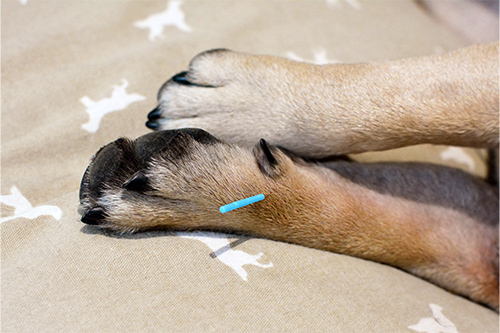
Acupuncture for Dogs: How It Works and What to Expect
Acupuncture is a complementary veterinary treatment that involves placing very thin, sterile needles at specific points on the body. These points are associated with nerves, muscles, and blood vessels. Stimulating them can send signals through the nervous system that may influence the body's response to pain, inflammation, and healing.
Acupuncture may promote increased circulation, support tissue repair, and encourage the release of the body's natural pain-relieving chemicals. It can also affect neurotransmitters such as serotonin, which plays a role in several functions throughout the body.
Why Is Acupuncture Used in Dogs?
Veterinary acupuncture is most commonly used as part of a broader treatment plan to help manage pain, reduce inflammation, support healing, and improve mobility and comfort.
It is often used alongside conventional veterinary treatments rather than as a replacement for appropriate medications, diagnostics, surgery, or other medical care.
Conditions for which veterinarians may incorporate acupuncture include:
Arthritis and hip dysplasia
Back and neck pain
Intervertebral disc disease (IVDD)
Nerve injuries, weakness, or paralysis
Lameness and mobility problems
Decreased range of motion
Tendon and other soft-tissue injuries
Chronic pain
Pain associated with cancer or amputation
Veterinary acupuncturists may also incorporate acupuncture into treatment plans for certain gastrointestinal, respiratory, neurologic, urinary, dermatologic, and other conditions. Whether acupuncture is appropriate depends on the individual patient, diagnosis, and overall treatment plan.
How Does Veterinary Acupuncture Work?
Acupuncture needles are placed at carefully selected points based on the dog's condition and the veterinarian's treatment goals. These areas may be located near nerves and blood vessels or within muscle tissue.
Stimulation of these points may produce both local and nervous-system responses. Potential effects include increased circulation, decreased inflammation, activation of tissue-repair processes, and the release of natural pain-relieving chemicals such as endorphins.
Veterinarians who provide acupuncture may complete additional training and certification in veterinary acupuncture. Training approaches can vary and may include medical acupuncture or Traditional Chinese Veterinary Medicine (TCVM).
What to Expect During a Dog Acupuncture Appointment
A dog's first acupuncture appointment is generally more extensive than subsequent treatments. The veterinarian may perform a physical examination, review medical history, evaluate previous diagnostic testing and treatments, and develop an individualized treatment plan.
During treatment, a veterinarian may use anywhere from a few needles to several dozen depending on the dog's needs. Needles are commonly placed along the body and limbs and, in some cases, around the head.
Depending on the treatment technique, needles may simply remain in place, be gently manipulated, or be connected to a controlled electrical stimulation device.
Most dogs tolerate acupuncture very well. The needles used are extremely thin, and many dogs become relaxed during their sessions. Treats, petting, or gentle brushing can help dogs remain comfortable and still.
Minor bleeding or temporary swelling at an insertion site can occasionally occur.
How Long Does Dog Acupuncture Take?
Appointment length varies by veterinarian and patient. An initial appointment may take approximately an hour because additional time is needed to evaluate the dog and establish a treatment plan.
Follow-up acupuncture treatments are often shorter and may take approximately 20 minutes.
Treatment frequency also varies considerably. Some dogs may initially receive treatments only a few days apart, while others may be treated weekly. Once the desired response is achieved, some patients transition to periodic maintenance treatments.
Your veterinarian will recommend a schedule based on your dog's condition and response to therapy.
Is Acupuncture Right for Your Dog?
Acupuncture isn't appropriate for every patient or condition. Before beginning treatment, your veterinarian should consider your dog's medical history, diagnosis, current medications, supplements, and overall health.
Certain medical conditions may require additional precautions or make acupuncture inappropriate. For this reason, acupuncture should be discussed with your veterinarian and performed by a veterinarian with appropriate veterinary acupuncture training.
When used appropriately as part of an individualized treatment plan, acupuncture can be another option for helping manage discomfort, inflammation, mobility problems, and recovery while supporting your dog's overall quality of life.
Source & Medical Reference:
This article was adapted and rewritten from information provided by Amanda Simonson, DVM, in Acupuncture for Dogs, published by PetMD on April 19, 2023. Content has been rewritten for educational purposes and is not a reproduction of the original article.
This information is intended for general educational purposes and should not replace an examination, diagnosis, or treatment recommendations from your veterinarian.
Quick Links

All Services
Learn More
Keep
In Touch
© 2026 Gully Animal Hospital. All rights Reserved - Accessibility Statement - Privacy Policy - Sitemap
Powered by