
6300 S Cooper St.
Arlington, TX 76001

How Untreated Dental Disease Impacts Your Pet's Heart, Liver & Kidney Health
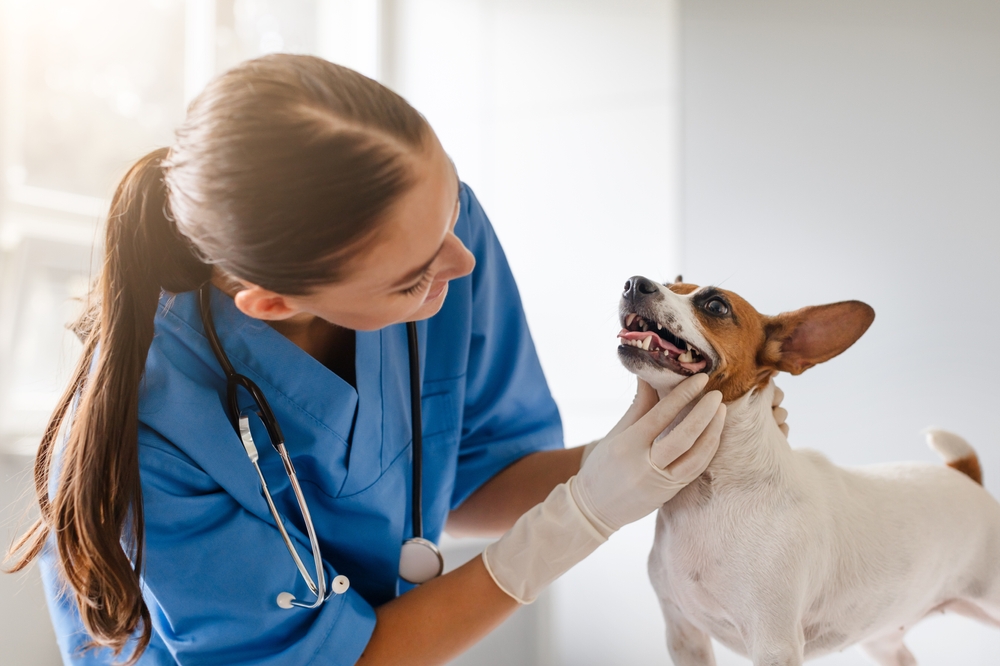
Dental disease in pets is more than a bad breath problem. When plaque and tartar build up, bacteria can collect below the gumline and lead to infection. Over time, that infection may affect more than your pet’s mouth. It can place added stress on important organs like the heart, liver, and kidneys.
Dental Disease Starts in the Mouth
Periodontal disease is one of the most common health issues seen in dogs and cats. It often begins with plaque, then hardens into tartar that irritates the gums. As the gums become inflamed, bacteria can move deeper into the tissues around the teeth. This can cause pain, bleeding, loose teeth, and difficulty eating. It also creates a pathway for harmful bacteria to enter the bloodstream.
How Oral Bacteria Can Affect the Heart
When bacteria from dental infections travel through the blood, they may contribute to inflammation in other parts of the body. The heart can be one of the organs affected. In some pets, this may place extra strain on the heart and worsen existing health concerns.
While not every pet with dental disease will develop heart problems, untreated oral infection can increase overall health risks. That is why routine veterinary dental care is important for both oral and systemic wellness.
The Connection to Liver and Kidney Health
The liver and kidneys help filter waste and support normal body function. If bacteria from dental disease circulate through the bloodstream, these organs may have to work harder. Over time, chronic inflammation and infection can become more concerning, especially for older pets or pets with existing medical conditions. Keeping your pet’s mouth healthy may help reduce unnecessary stress on these organs and support better long-term health.
Signs Your Pet May Need Dental Care
Some symptoms of dental disease are easy to miss because pets often hide discomfort. Watch for signs such as:
- Bad breath that does not go away
- Red, swollen, or bleeding gums
- Yellow or brown buildup on the teeth
- Dropping food or chewing on one side
- Pawing at the mouth or face
- Changes in appetite or behavior
Why Early Treatment Matters
Early treatment can help prevent dental disease from progressing and reduce the risk of complications. A professional dental exam allows your veterinarian to check for infection, gum disease, damaged teeth, and other concerns that may not be visible at home.
Professional cleanings and follow-up care can improve comfort, protect oral health, and help support your pet’s overall well-being.
Support Your Pet’s Oral and Overall Health
Good dental care is part of preventive care. Regular exams, dental cleanings when needed, and at-home oral hygiene can make a meaningful difference in your pet’s health and quality of life. Addressing dental disease early may help protect not just the teeth and gums, but also the heart, liver, and kidneys.
Schedule a dental evaluation for your pet at Gully Animal Hospital to stay ahead of dental disease. Visit our office in Arlington, Texas, or call (817) 409-6333 to book an appointment today.
Quick Links

All Services
Learn More
Keep
In Touch
© 2026 Gully Animal Hospital. All rights Reserved - Accessibility Statement - Privacy Policy - Sitemap
Powered by